The Great Wildebeest Migration: Africa's Greatest Wildlife Spectacle
Every year, over 1.5 million wildebeest thunder across the Serengeti and Maasai Mara in one of the most breathtaking natural events on the planet. Here's everything you need to know before witnessing it yourself.
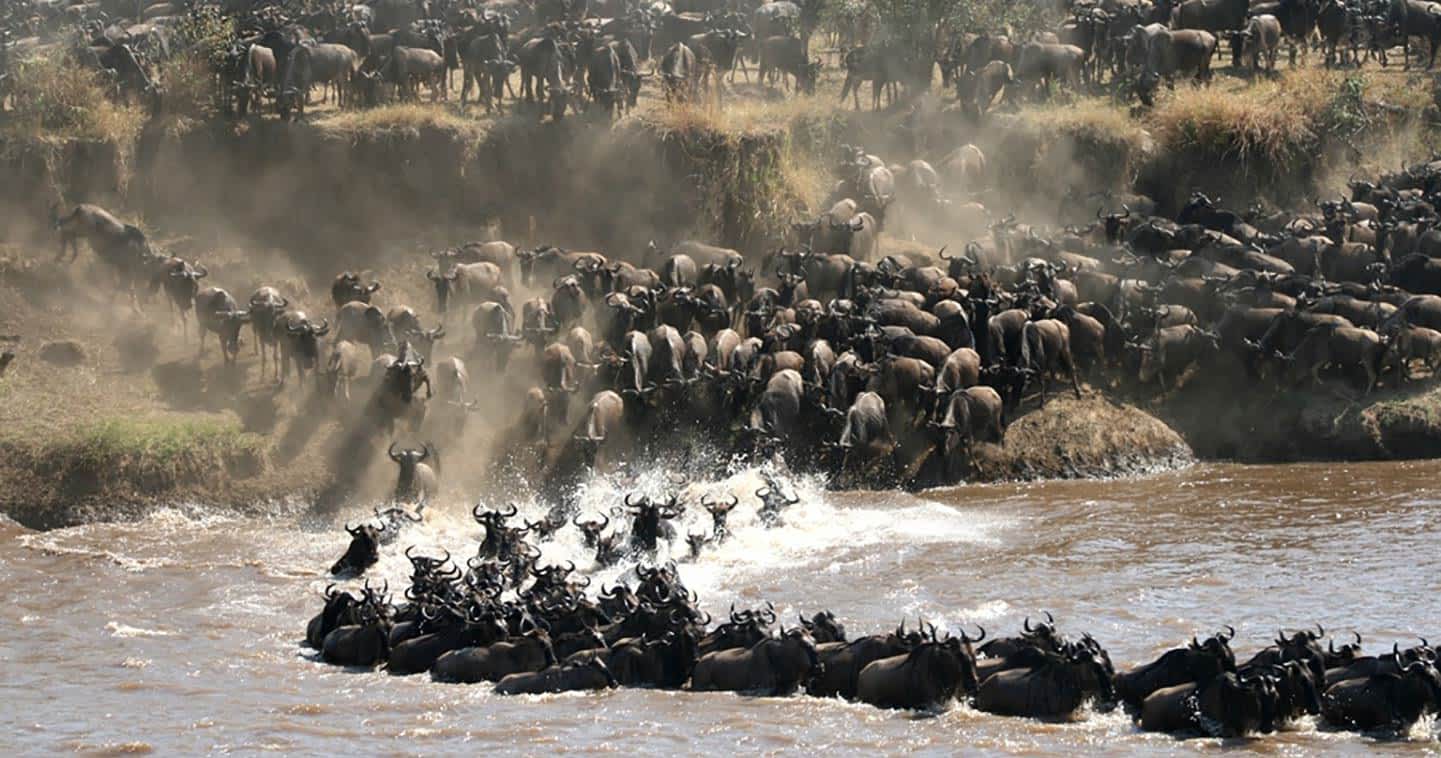
The Great Wildebeest Migration is not a single event, it's a year-round cycle of survival. More than 1.5 million wildebeest, accompanied by hundreds of thousands of zebras and gazelles, follow the rains across the Serengeti ecosystem in Tanzania and the Maasai Mara in Kenya. The result is a constantly moving spectacle of dust, thunder, and raw nature.
When Does It Happen?
The migration follows a predictable seasonal pattern, though nature never guarantees exact dates:
- January – March: Calving season on the southern Serengeti plains near Ndutu. This is when up to 8,000 calves are born daily - and where predators gather in force.
- April – June: The herds move northwest through the central Serengeti as the long rains arrive.
- July – October: The famous Mara River crossings begin as the wildebeest push into Kenya's Maasai Mara. This is the most dramatic and sought-after period.
- November – December: The herds reverse south back into Tanzania ahead of the short rains.
Tips for Witnessing the Migration
- Book early. Peak season camps fill up 12–18 months in advance.
- Stay multiple nights. River crossings are unpredictable. The longer you stay, the better your chances.
- Go with a knowledgeable guide. The difference between a good guide and a great one is everything during migration season.
At Mizizi Asili Adventures, we position our clients at the right places at the right times. Get in touch to start planning your migration safari today.